
Low Voltage Main Switchboard Installation: Best Practices for Data Centers & Utilities
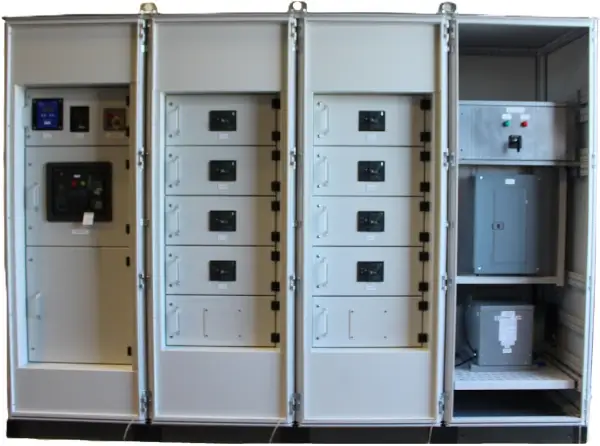
In mission-critical environments like data centers and utility facilities, power distribution equipment must be dependable, safe, and efficient. Among these components, the low voltage main switchboard plays a pivotal role in managing electrical power, protecting circuits, and ensuring uptime. For electrical contractors, engineers, and technical decision-makers, understanding best practices for installation of low voltage main switchboards is essential to achieving operational excellence. In this guide, we explore everything from fundamental concepts to step-by-step installation considerations - with a focus on compliance, safety, and performance.
Understanding Low Voltage Main Switchboards
What Is a Low Voltage Main Switchboard?
A low voltage main switchboard is a centralized electrical panel designed to distribute power and house protective devices in commercial and industrial systems. Unlike smaller panelboards, switchboards operate on a larger scale and handle voltages up to 800 V AC. They consist of key components such as busbars, overcurrent protective devices, enclosures, and metering instruments.
These assemblies are typically freestanding and accessible from both the front and rear, allowing technicians easier interaction during maintenance and operation. Their robust design makes them suitable for environments where reliability and clear distribution paths are critical.
Switchboards vs. Other Power Distribution Devices
In electrical systems, switchboards are often compared with switchgear. While both perform similar functions of current distribution and protection, their construction and applications differ. Switchboards are defined as assemblies with mounted protective devices and buses that are generally accessible and not fully enclosed like switchgear cabinets.
Understanding these differences is important when planning electrical infrastructure in data centers and utilities, helping stakeholders choose the right device for their specific power requirements.
The Role of Switchboards in Data Centers & Utilities
Data centers and utility facilities rely on continuous, stable power to maintain operations. Any interruption can lead to severe consequences - including downtime, lost revenue, and compromised safety. The low voltage main switchboard sits at the heart of a facility’s distribution network, offering:
- Centralized power distribution
- Protective coordination against overloads and faults
- Monitoring and control of electrical loads
- Flexible expansion for evolving power demands
Ensuring that the switchboard is installed and configured correctly is critical to maximizing performance while minimizing potential risks.
Pre-Installation Planning and Design
Conduct Thorough Site Assessments
Before installing a low voltage main switchboard, a thorough site assessment is essential. This review should evaluate existing electrical infrastructure, available space, environmental conditions, accessibility, and future load growth. Knowing load distribution patterns and potential expansion plans helps engineers choose the right switchboard size and configuration.
Meta Power Solutions offers a range of switchboards from 800 A up to 4000 A continuous current capacity, each designed with flexibility to fit different project needs.
Design for Compliance and Safety
Compliance with electrical codes and safety standards is non-negotiable. Switchboards must meet regulatory requirements such as UL-891 and NEC guidelines, ensuring they’re safe to operate under expected electrical loads. Working clearances, bonding, grounding, and arc energy reduction protocols are all part of compliant electrical design.
Incorporating these standards early in the design process avoids costly revisions and helps protect personnel and assets throughout the equipment’s lifecycle.
Step-by-Step Installation Best Practices
Installing a low voltage main switchboard is a structured process that demands precision and qualified technicians. Below are core steps to ensure best performance and reliability.
1. Inspection and Preparation
Before installation begins, inspect all components for damage, completeness, and proper specifications. Confirm that busbar sizes, protective devices (such as MCCBs, ACBs, and SPDs), and enclosures meet project requirements.
Preparing the site includes clearing and leveling the installation area, verifying structural support, and ensuring adequate ventilation and lighting for the workspace.
2. Mechanical Placement
Position the switchboard in its designated location, whether against a wall or freestanding in an electrical room. Meta Power Solutions’ modular designs allow for front access or rear access depending on layout and corridor clearances.
Ensuring proper alignment and secure anchoring is vital before proceeding to electrical connections.
3. Electrical Connections and Grounding
Connect incoming power feeds, busbars, and distribution circuits according to electrical schematics. Proper grounding and bonding must be established to prevent electrical hazards. Using copper or aluminum busbars with adequate capacity further enhances reliability and conductivity.
All terminations should be torqued to manufacturer specifications with quality hardware to minimize resistance and hotspots.
4. Integration with Power Distribution Network
Once the switchboard is physically installed and wired, integrate it with upstream power sources and downstream loads. This includes linking it to transformers, generators, and distribution panels that serve critical loads across the facility.
In environments like data centers, integration also involves coordination with UPS systems and redundant power paths to uphold continuous operations.
Ensuring Efficiency and Uptime
Balancing Loads and Reducing Losses
Proper installation not only ensures safety but also optimizes efficiency. Load balancing across phases reduces energy losses and minimizes imbalances that can impact equipment health. Carefully selecting circuit breakers and protective devices appropriate to expected loads helps maintain energy efficiency over time.
Designing for Scalability
Facilities evolve, and electrical systems must be prepared for future expansions. Modular switchboard systems from Meta Power Solutions support scalable configurations, meaning you can add sections or upgrade protection gear without major overhaul.
This adaptability reduces both upfront costs and long-term operational disruptions.
Testing, Commissioning, and Quality Assurance
Once installed, comprehensive testing and commissioning are vital steps to ensure performance and safety.
Functional Testing
Verify that protective devices operate correctly, metering systems report accurately, and circuit paths are intact. Simulated load tests and fault tests help confirm that the switchboard responds as expected during abnormal conditions.
Safety and Code Compliance Verification
Inspectors should confirm that installations meet all relevant NEC and UL requirements. Documentation of test results and compliance checklists provides a record for audits and future maintenance teams.
Handover Documentation
Provide maintenance teams with manuals, wiring diagrams, and testing records. Meta Power Solutions manuals emphasize that technicians review installation instructions and follow safety practices before operating switchboards.
Maintenance and Long-Term Reliability
Even the best installations require ongoing inspection and upkeep. Meta Power Solutions offers switchboard maintenance insight that highlights the need for periodic cleaning and component checks to extend lifespan, ensure compliance, and avoid unexpected failures.
Scheduled preventive maintenance helps uncover worn parts, secure loose connections, and maintain system performance.
Why Meta Power Solutions for Your Switchboard Needs
Meta Power Solutions manufactures a broad range of low voltage switchboards with scalable current capacities and flexible configurations designed for commercial and industrial applications.
Their approach focuses on customization, rigorous testing, compliance with the highest standards, and collaboration with customers to deliver solutions that meet exact project specifications.
Whether retrofitting an existing facility or building a new data center, their products provide the durability and reliability essential for high-availability infrastructure.
Final Thoughts
A low voltage main switchboard is a backbone component in data centers and utility power systems. Its proper installation - guided by meticulous planning, strict compliance with safety standards, and execution by qualified professionals - is essential to achieving reliable, efficient, and scalable electrical distribution.
By following best practices in design, installation, testing, and maintenance, electrical contractors and engineers can build resilient power infrastructure that supports continuous operations and long-term performance.
Contact Meta Power Solutions to discuss your low voltage main switchboard requirements. Whether you are planning a new installation or upgrading existing electrical infrastructure, our team can support you with engineered switchboard solutions designed to meet operational, safety, and compliance needs.
Frequently Asked Questions
Q: What is a low voltage main switchboard?
A low voltage main switchboard is a centralized assembly that distributes electrical power and houses protective devices for low voltage systems.
Q: Where are low voltage switchboards commonly used?
They are commonly used in data centers, utility facilities, and commercial or industrial buildings requiring reliable power distribution.
Q: How is a power switch board different from a master switch board?
A power switch board distributes electrical power to multiple circuits, while a master switch board controls and isolates the main incoming power supply.
Q: Why is proper installation of electrical switchboards important?
Proper installation ensures safety, regulatory compliance, efficient power flow, and reduced risk of downtime or equipment failure.
Q: Can low voltage switchboards support future expansion?
Yes, modular low voltage switchboards are designed to allow scalability and accommodate future load or system upgrades.
