
Power Switch Boards in Data Centers: Optimizing Energy Distribution
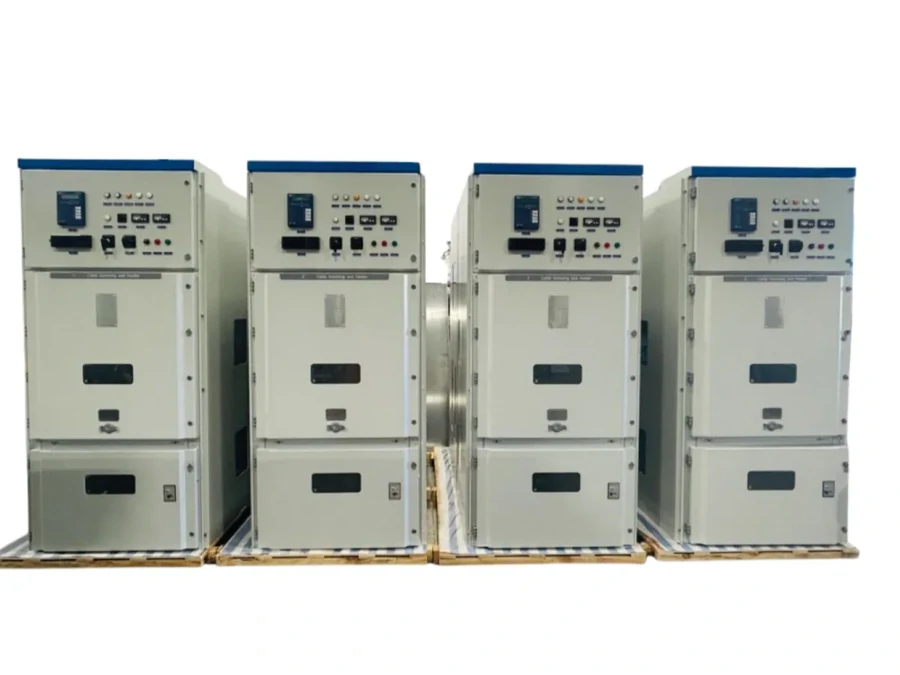
In today’s data-driven world, data centers are the backbone of critical IT infrastructure. To maintain high performance, uptime, and operational efficiency, data centers require robust electrical systems that deliver power reliably and safely. At the heart of these electrical systems lies an essential component: the power switch board, which ensures power is distributed effectively, protected from faults, and easy to monitor and maintain. In this blog, we’ll explore what power switch boards are, why they matter in data centers, and how well-engineered solutions like those from Meta Power Solutions support energy efficiency, redundancy, and long-term reliability.
What Is a Power Switch Board?
A power switch board serves as a central hub for electrical power distribution in a facility. It’s designed to handle and distribute electricity from the source (such as utility service or a transformer) to various circuits throughout the data center. A switch board typically consists of a large metal frame or assembly of panels that house switches, overcurrent protective devices (like circuit breakers), buses, meters, and other components.
Unlike smaller panelboards, switchboards operate on a larger scale and are built to handle low-voltage power distribution at up to 800 VAC or lower, making them ideal for commercial and industrial applications.
Within a data center, these boards act as the nerve center of electrical distribution - feeding power to critical subsystems like uninterruptible power supplies (UPS), cooling systems, lighting, and server racks. They ensure power is both available and protected from faults that could disrupt operations.
Core Components of a Switch Board
A typical switch board includes the following key elements:
- Frame: The skeleton that holds all electrical components securely.
- Bus Bars: Made from copper or aluminum, these conductors distribute power to multiple circuits.
- Overcurrent Protection Devices: Such as air circuit breakers (ACBs), power circuit breakers (PCBs), and molded case circuit breakers (MCCBs) to protect against overloads or faults.
- Instrumentation and Monitoring: Advanced switchboards can incorporate microprocessor-based metering and monitoring systems to track voltage, current, and power usage.
- Enclosures: Designed for either indoor or outdoor environments with appropriate protection ratings.
These components combine to offer a solution that not only distributes power but also protects, controls, and monitors the electrical system.
Why Switch Boards Matter in Data Centers
Managing High-Density Power Loads
Data centers consume vast amounts of power and require systems capable of handling high electrical loads with precision. Switchboards distribute this power from the main supply to downstream systems reliably, keeping critical operations running smoothly.
Ensuring Operational Reliability
Reliability is non-negotiable in data centers. A failure in the power distribution system can lead to costly downtime and data loss. By incorporating redundancy, modular construction, and high interrupting capacity (up to 100 kA), switchboards help prevent single points of failure and improve system resilience.
Supporting Scalability and Growth
As data center operations expand to meet increasing workloads, electrical systems must scale accordingly. Modern switchboards are designed in various ratings - from 800 A all the way up to 4000 A and beyond - supporting future growth without the need for frequent replacements or major redesigns.
Practical Applications in Data Center Power Distribution
Main Switch Board vs. Sub-Distribution Boards
The main switch board is typically the first point of power distribution after the utility or transformer. It handles the incoming power and directs it into the data center infrastructure. From there, sub-distribution boards and panels further distribute power to specialized systems - such as UPS units, servers, cooling systems, and lighting. These layered distributions help optimize load balance and maintain system flexibility.
Energy Efficiency and Monitoring
Switch boards equipped with advanced metering allow data center engineers to monitor real-time power usage, voltage levels, and current flows. This data is crucial for driving energy-efficient operations, identifying bottlenecks, and managing power costs - a significant expense for most facilities.
Redundancy and Fault Protection
Switchboards protect sensitive equipment by isolating electrical faults, minimizing the risk of widespread outages. Redundancy is often built into the design, allowing alternate power paths to maintain uptime even when one component fails. This is especially important in facilities with mission-critical uptime requirements.
Meta Power Solutions’ Switch Board Offerings
Meta Power Solutions provides a comprehensive range of low-voltage switchboards designed for demanding commercial and industrial environments, including data centers. Their systems are modular, scalable, and customizable - making them ideal for tailored power distribution needs.
Low-Voltage Switchboards - Engineered for Power Distribution
Meta Power Solutions’ low-voltage switchboards are built to handle voltages up to 800 V and offer continuous current ratings from 800 A to 4000 A. These flexible options ensure that facilities of all sizes can find a solution that matches their power profile and expansion needs.
The modular design allows switchboards to be assembled and configured on demand, supporting both front-access and rear-connected configurations depending on space constraints and service requirements.
Customization and Quality
Meta Power Solutions emphasizes building switchboards from scratch, incorporating client feedback to tailor solutions for specific applications. Their teams consider UL and NEC standards during design and construction, ensuring that every switch board meets regulatory compliance and performance expectations.
This approach also enables optimization for space, cost, and operational flexibility - important considerations for data center managers planning expansions or retrofits.
Maintenance for Long-Term Performance
Maintaining a switchboard is essential for reliability over time. Regular inspection and testing help ensure components like breakers and bus bars continue to operate correctly, preventing issues like overheating or connection failures. Data center facilities can schedule routine maintenance during planned downtimes, minimizing disruption.
Additionally, proactive services and planned service windows help maintain warranty compliance, enhance safety, and support high availability - all critical for facilities with stringent operational SLAs.
Future Trends: Smarter Switch Boards
As electrical infrastructure becomes more intelligent, switchboards may integrate directly with digital data systems like DCIM (Data Center Infrastructure Management). Real-time monitoring, predictive analytics, and smart diagnostics will allow engineers to anticipate issues before they impact uptime.
Although data centers currently rely heavily on reliable hardware and redundancy, adding digital intelligence to switch boards would further improve energy efficiency and fault response - aligning with modern energy management goals.
Final Thoughts
For data center managers and facility engineers looking to better understand power switch boards and low-voltage electrical distribution, Meta Power Solutions provides detailed insights and engineered solutions based on real-world applications. To explore more about electrical switchboards, main switch boards, and low voltage switchboard systems used in critical facilities, you can connect with Meta Power Solutions through their official website.
Frequently Asked Questions
Q: What is a power switch board?
A power switch board is an electrical assembly that distributes, protects, and controls low-voltage power within a facility.
Q: Why are switch boards important in data centers?
They ensure reliable power distribution to critical equipment while protecting systems from electrical faults.
Q: What is the role of a main switch board?
A main switch board receives incoming power and distributes it to downstream electrical systems within the data center.
Q: What is a low voltage switchboard?
A low voltage switchboard is designed to operate at voltages up to 800 V and manage high-current power distribution safely.
Q: How do switchboards support energy efficiency?
Switchboards with monitoring and metering capabilities help track power usage and optimize energy distribution.
